Who Will Bell the Cat?
"Insanity is doing the same thing over and over again and expecting different results" — Albert Einstein (allegedly)
Before I commence this piece, I want to state clearly that I am not a power sector expert. I am just a random resident of this country, who happens to also be affected by the state. Secondly, I tend to have thoughts, but most times I do not share them publicly because most times people just want to argue and not see it as an opportunity to learn. In fact, I am always pleased when I get to learn something new, and I am always open to unlearning things.
In my almost twenty-six years of living in Nigeria, there is something that has been constant - grid inadequacy. I grew up hearing the sounds of a generator. In fact, one of the numerous adulthood rights for a Nigerian male was knowing how to troubleshoot the generator at home when issues arise. Trust me, they did arise very frequently - from the spark plug you had to loosen and clean with fuel, to rope cutting, to engine knocking because you failed to check for oil before turning it on, etc.
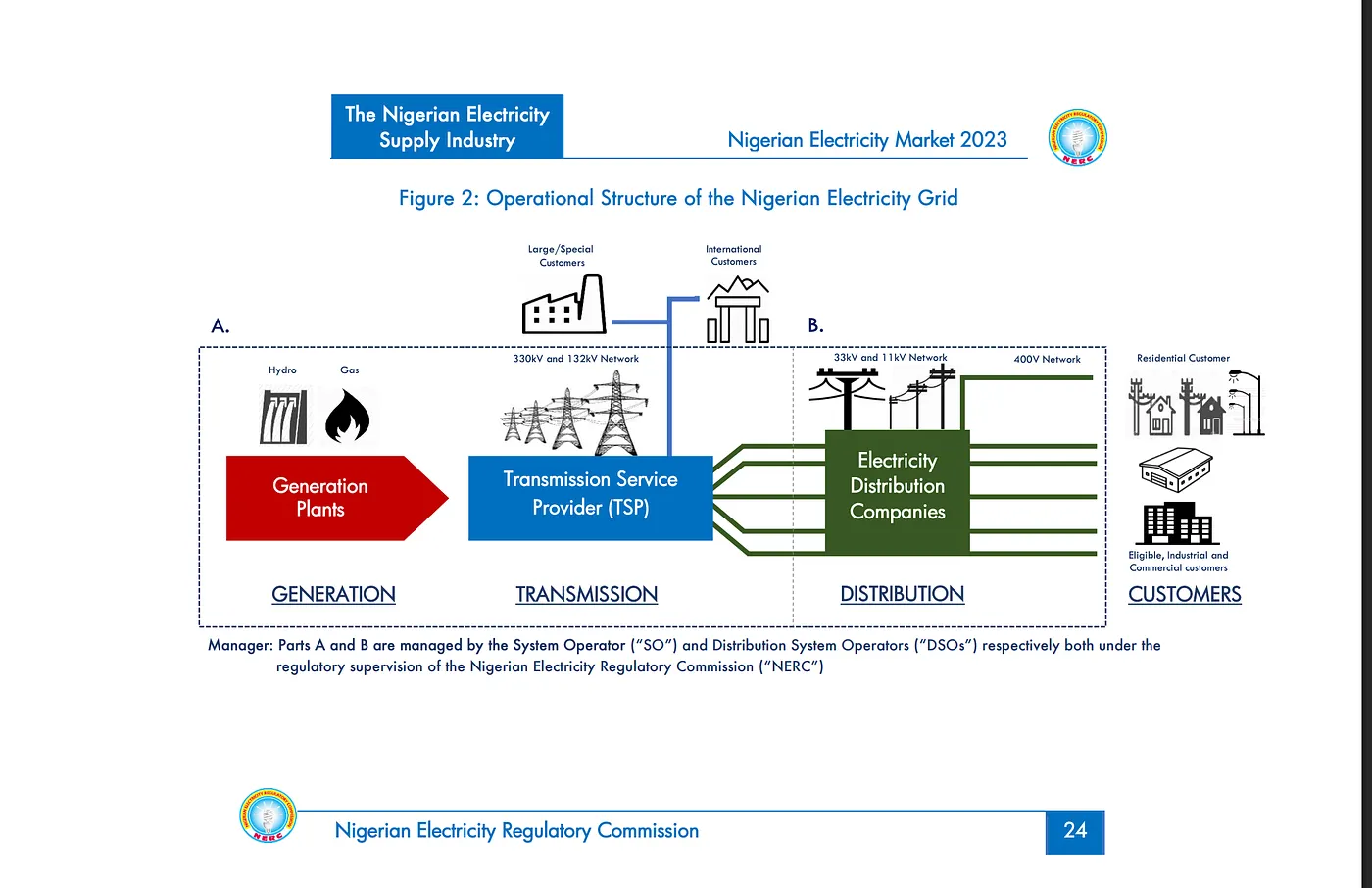
The Nigerian power sector is plagued with inadequacies, from the generation part (GENCOs) to the transmission part (TCN) to the distribution part (DISCOs). I have never been to any power plant facility, but I can bet that if I step into any, I wouldn't see any major equipment that is less than 10 years old. The cause of it all is an open secret to anyone who puts their ears down to listen to what happens in the sector. It's simply because of a serious lack of liquidity in the business.
The world is a fascinating place. There are a few people who control most of the money in it. You see, these people don't like to have their money stay idle. They like to invest it and get good and sure returns. But you see, these people would not put their money into a sinking business. You see, electricity is not a public good; it is a private good. It is quite essential for the growth of any economy, which is why the government places the structure that allows private organisations to render those services without them being unfair or monopolistic.
However, the issue with the Nigerian electricity market is that the government has not been transparent with the citizens, and it has been a case of "let's manage this, till my administration is over." The sector lacks funding, and no administration has been brave enough to follow the golden path. The average Nigerian thinks the country is very rich; that's a second problem we have. Someone said something about Nigerians wanting capitalism for their services and communism for other people's services. I chuckled when I read that tweet.
When you have a sector where the government owes service providers this amount of money (₦6 trillion), you begin to wonder how they can still do business in the first place. Now I would be one of the last people to defend DISCOs. In fact, I believe that the privatisation of the power sector, which was a good move, was executed poorly. National assets were sold to family and friends for a discount and a future cabal. So no, this is not me trying to defend them, but we have to realise there is a problem before we can search for solutions.
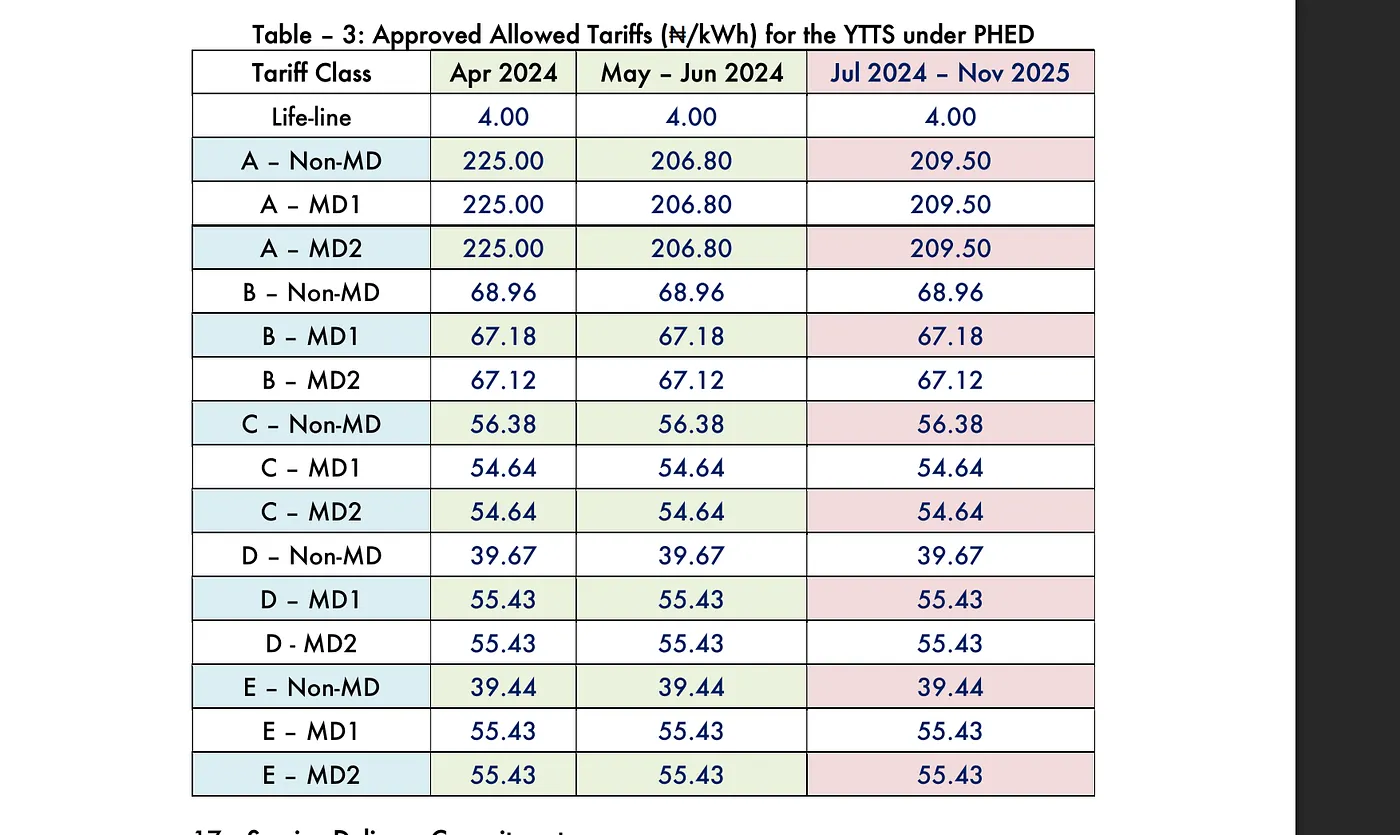
Speaking of solutions, the Band A-ification of the electricity sector was a "soft landing" move towards fixing the liquidity black hole. It was simple — certain areas get an assured number of hours of electricity supply, and in exchange, they would pay the cost-reflective ₦/kWh. What this means is they would pay the actual value of the cost of generation + transmission + distribution of the electricity to their homes. However, this brought about several reactions, but the general sentiment is that it is too expensive
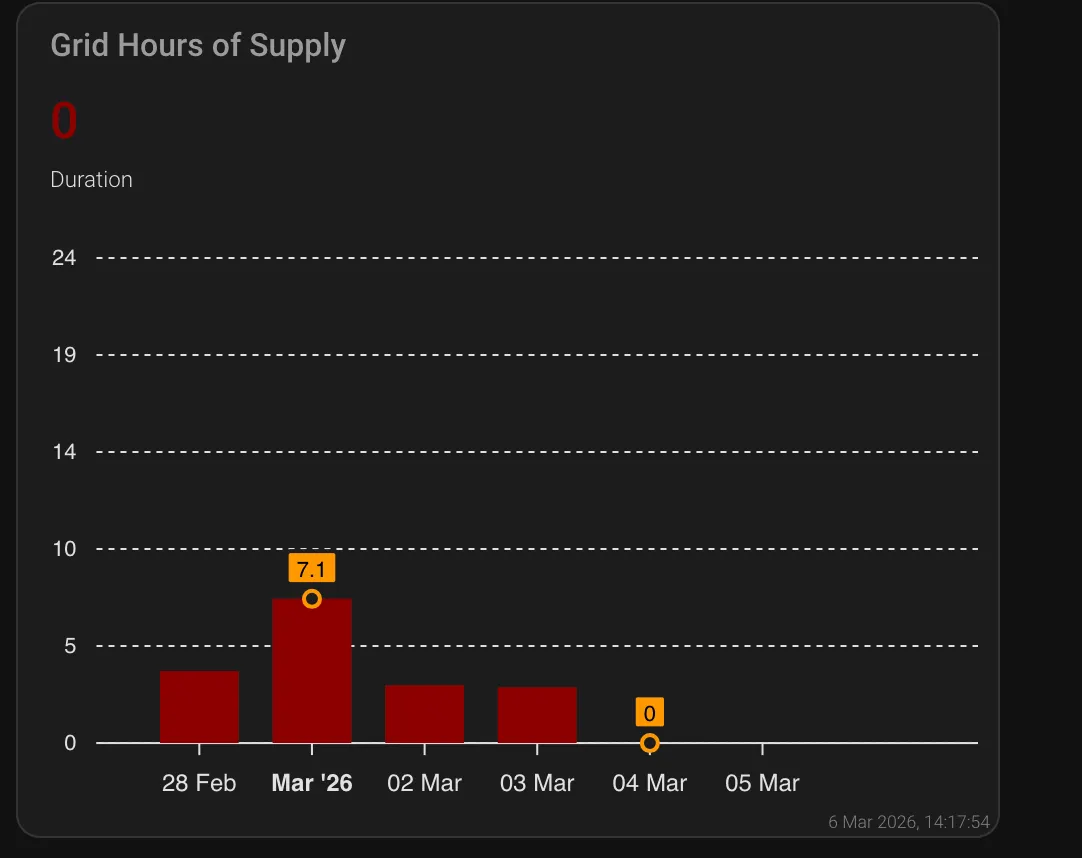
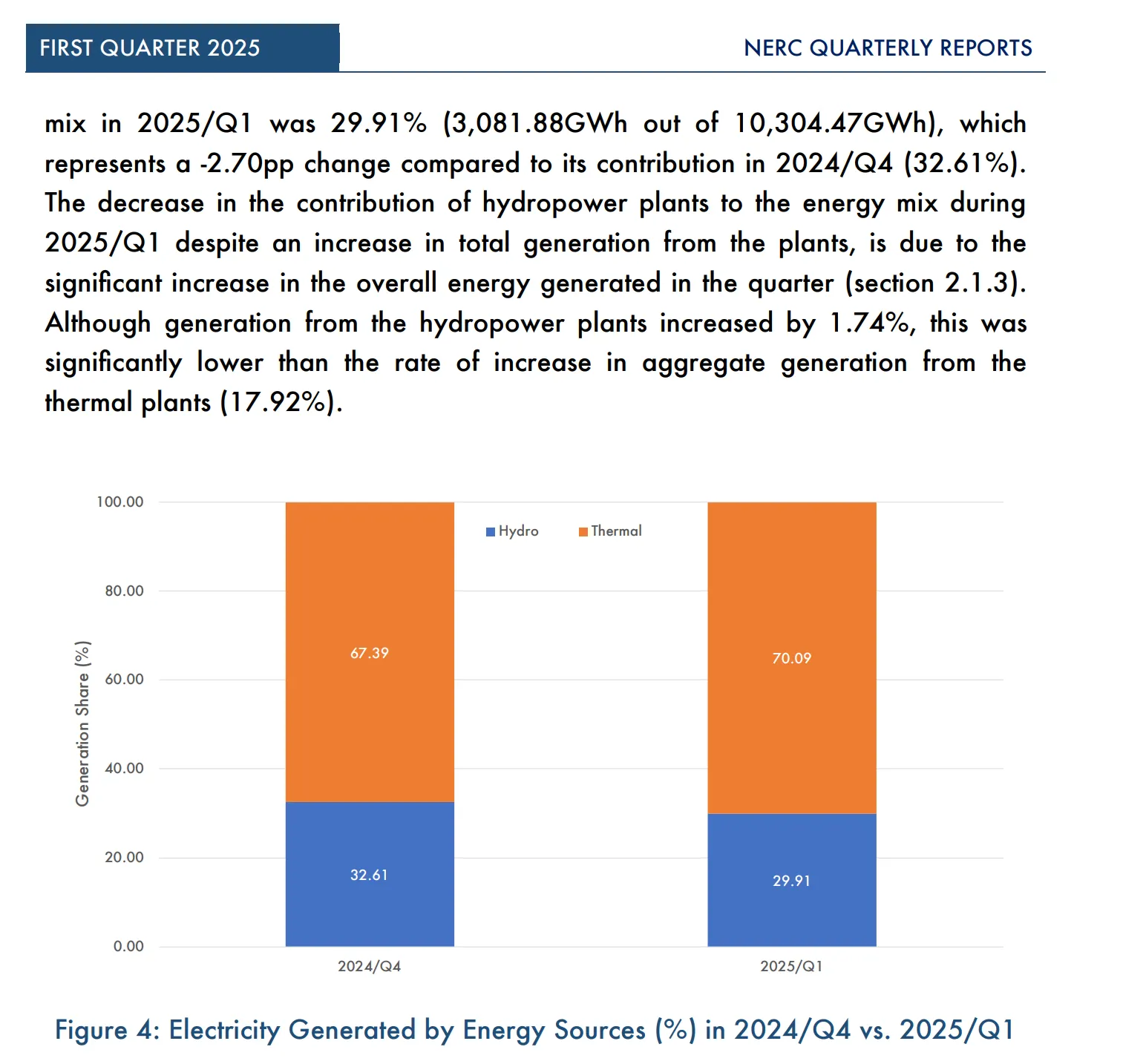
This experiment, which has run for over a year now, still has a lot of people not getting the assured hours of electricity. Folks in other bands, B-E, pay varying costs but are heavily subsidised by the government. Now you see how the debt has been accumulating? I personally reside in an area under Band D, and unfortunately, the 8 hours of supply we are supposed to get is a dream away. There is also an elephant or two in the room; a large amount of revenue to DISCOs isn't collected by them. This revenue is lost to debt and energy theft. DISCOs also owe the GENCOs, and GENCOs are not able to pay for their gas needs (we generate 70% electricity from gas), and thus it's a cycle.
Now, if you follow through and see the problems, you will realise that it's like fighting a losing war. While there are many ways this issue can be tackled, I would say the right solution is the golden path. If you have read Dune: Emperor of Dune, you would have an idea of where I am heading. But for those who have yet to read it, I will give you a summary. The golden path was the only way for "humanity" to survive, but it came with too many sacrifices. Paul Atreides couldn't bear to walk that path, and in the end, his son, Leto Atreides II, did. Leto was known as a wicked dictator, but he did what was right for the preservation of "humanity."
Bringing this home, what is the solution? We need to have an honest conversation, and we need to stop ignoring the issue. The band aids should be ripped off. There should be cost-reflective pricing for all, except the socially vulnerable. Unfortunately, if you are reading this piece, you are not one. When the majority pay the actual cost of electricity, capital will flow into the sector. It will attract these investors, and we can have a better power supply. The famous Aba Power that people on social media hail, charges higher than all other DISCOs in Nigeria.
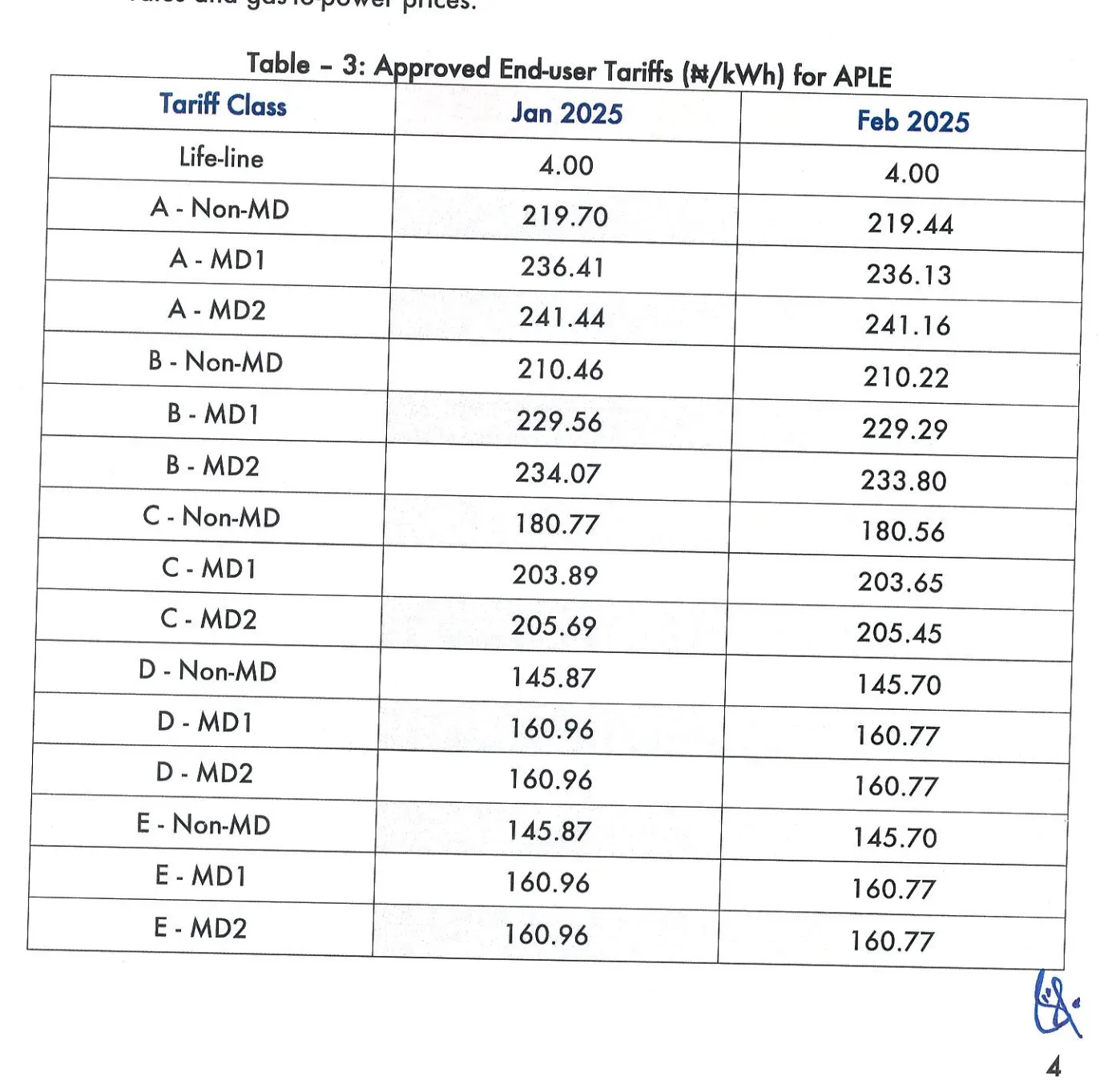
We are even on the verge of collapse at this point if the right move isn't made. A good number of large customers are leaving the grid already. We are seeing industries, factories and heavy residential users leaving the grid. This adds to the existing liquidity issue. You can't badmouth companies because they are leaving the grid. They have done their numbers, and it is a better move for them, business-wise, considering the present conditions. This makes me find tweets from folks on Twitter who try to badmouth residential users for going solar, to save their necks. It is quite ironic that the same set of people use a generator at home, but would be angry at someone who uses solar power.
I grew up with generators being the norm, and I, for once, was never angry with anyone for that. If I am to have any anger, it should be for the government. I also know complaining has never solved any issue, and rather than continue spending money fueling a generator, I decided to get a solar energy setup. I do understand it requires a lot of upfront capital to do, and I don't offer it as a solution to Nigeria's problem. It is advice I only give to people who seek advice about solar. I am a huge fan of keeping things to myself, so I don't even give unsolicited advice. I am also not a social justice warrior, and it's in the interest of myself, family and friends that comes first too. My only advocacy when it comes to solar energy is for people to do the right thing so they get value for their hard-earned money. This is largely why I am building Radiqo.
Aso Rock had solar energy as part of its budget and has recently installed the project. If the Federal Government saw it fit to finally go solar, don't you think they are seeing something that we may not be seeing? Before I forget, thanks to Buhari’s electricity bill, we shouldn’t be waiting on just the Federal Government to take initiative. State governments can also lead these conversations. So, we have a serious crisis.
Who will bell the cat?